Same-Sex Marriage Worldwide: A 2026 Map of Progress and Pushback
Same-sex marriage worldwide in 2026: nearly 40 countries say yes, dozens still criminalize. See where it’s legal, what’s new, and what’s contested.
The evolution of gay humor is one of the great untold survival stories of queer life. Long before Pride parades and corporate rainbow logos, laughter was something closer to a lifeline: a coded language, a coping mechanism, and a quiet act of defiance all at once. Trace queer comedy from Victorian drawing rooms through smoky drag bars to the bottomless scroll of a group chat, and you find the same pattern repeating. When the world refused to take us seriously, we got very, very good at being funny on purpose. This is the history of how gay humor grew up, and why it still does heavy lifting today.
The earliest chapters in the evolution of gay humor were written under threat. For most of modern history, being openly gay was not merely frowned upon, it was illegal, and a misplaced word could cost you your freedom or your life. So humor went underground and got clever. Oscar Wilde turned the epigram into a weapon, smuggling subversive truths about desire and hypocrisy past respectable Victorian audiences who laughed without always realizing what they were laughing at. His genius was making the establishment chuckle at its own absurdity.
That coded quality reached its peak with Polari, a secret slang once used by gay men, sailors, and theater folk in Britain when homosexual acts were still criminalized. Polari let people flirt, gossip, and warn one another in plain sight while outsiders heard gibberish. It went mainstream through the camp BBC radio characters Julian and Sandy, performed by Hugh Paddick and Kenneth Williams on Round the Horne from 1965 to 1968. Millions tuned in to a joke whose punchline was, essentially, “we are everywhere, and you can’t tell.” That is the foundational move of queer comedy: hiding in plain sight and making the hiding itself hilarious.
If wit was the armor, camp was the flag. Camp is humor built on irony, excess, and a knowing love of artifice, the sensibility that finds something so over the top it loops back around to glorious. The critic Susan Sontag put it on the cultural map with her 1964 essay “Notes on Camp,” noting how naturally the style flourished in queer communities. For people told their whole lives that they were too much, camp answered with a grin: fine, then watch me be gloriously, deliberately too much.
Drag is where camp gets a body and a microphone. The drag tradition runs deep, but the underground films of John Waters, and his muse Divine, dragged it gleefully into the open in the 1970s with a punkish, bad-taste energy that mocked respectability itself. Drag comedy works because it exaggerates the performance of gender until everyone can see the costume, and once you can see the costume, you can laugh at the rules. The reading, the shade, the lip-sync that becomes a tiny opera of feelings: these are comedic forms queer culture invented and refined, and they translate the pain of not fitting in into a standing ovation.
As acceptance grew, gay humor could finally aim outward and name its targets. Satire let comedians stop merely surviving the culture and start critiquing it, holding homophobia, hypocrisy, and the closet up to ridicule. The arrival of RuPaul’s Drag Race, which premiered on the Logo network on February 2, 2009, was a watershed: it took an art form built on inside jokes and broadcast it to the world, turning drag slang and self-deprecating comedy into a shared vocabulary far beyond the gay bar.
Then queer comedy proved it could break its own rules. In Nanette, which reached a global audience when Netflix released it in 2018, Australian comedian Hannah Gadsby dismantled the self-deprecating joke itself, arguing that constantly making fun of yourself to put a straight audience at ease is its own kind of wound. The special won a Peabody Award and an Emmy and forced an entire genre to ask harder questions. It was proof that gay humor had matured enough to interrogate the very mechanism it was built on, and still leave the room changed.
The latest leap in the evolution of gay humor happened the moment everyone got a camera and a posting button. The internet stripped comedy of its gatekeepers. You no longer needed a stage, an agent, or a record deal to be funny to thousands of people; you needed Wi-Fi and a point of view. That shift handed the mic to voices long sidelined even within the gay community, and the result is the most diverse comedic landscape queer culture has ever produced.
Internet-era queer humor has its own grammar, and it moves at the speed of a refresh button. A few of its signature forms:
This democratization came with a new debate about who gets to tell which jokes, and who might be hurt by them. Material once shrugged off now gets examined for its impact on different corners of a community that was never a monolith. That scrutiny is not the death of comedy; it is a sign that the audience finally includes everyone it always claimed to.
Across every era, the function underneath the jokes barely changes. Humor remains a way to cope, to resist, and to flag serious issues without surrendering to despair. In a moment when LGBTQ+ rights are contested in many places, a sharp joke can do what a lecture cannot: lower defenses, build a room full of strangers into a temporary family, and make a difficult truth go down easier. Satire can teach a roomful of people about prejudice or identity faster than any pamphlet, because they came to laugh and left having actually thought.
The throughline of the evolution of gay humor is not that the jokes got better, though they did. It is that laughter was never only entertainment for queer people. It was survival, resistance, and the radical insistence on finding joy in exactly who you are. From Wilde’s epigrams to Polari’s coded slang, from Divine’s filth to Gadsby’s reckoning, from a sold-out theater to a group chat at 2 a.m., the medium keeps shifting and the mission holds. Whatever the world throws at us next, the punchline stays ours, and no one can confiscate a community’s ability to laugh.
For much of history being gay was criminalized, so humor became a safe outlet, a coded way to connect, and a tool for resilience. It let people process fear and rejection while quietly defying the systems that tried to shame them, and that survival instinct still shapes queer comedy today.
Camp is a sensibility built on irony, exaggeration, and a knowing love of artifice and excess. Susan Sontag’s 1964 essay “Notes on Camp” helped define it and noted how it thrived in queer communities, where embracing being “too much” turned a source of shame into a source of style and humor.
The internet removed the gatekeepers. Anyone with a phone could reach a huge audience, which amplified voices once marginalized even within the gay community, including queer creators of color, trans performers, and non-binary comics. It also birthed new forms like memes and group-chat humor that travel and mutate at remarkable speed.
Significantly. After premiering on Logo in 2009, the show carried drag’s inside jokes, shade, and self-aware comedy to a mass audience, turning a once-underground vocabulary into shared pop-culture language and giving drag comedy a global stage it had never had before.
It’s more thoughtful, not impossible. As the community is recognized as the diverse group it always was, comedians weigh who a joke might affect. That conversation about who gets to tell which jokes is a sign of a bigger, more inclusive audience, not the end of comedy, and the best queer humor adapts without losing its bite.
Keep reading: why queer art has always been louder than permission.
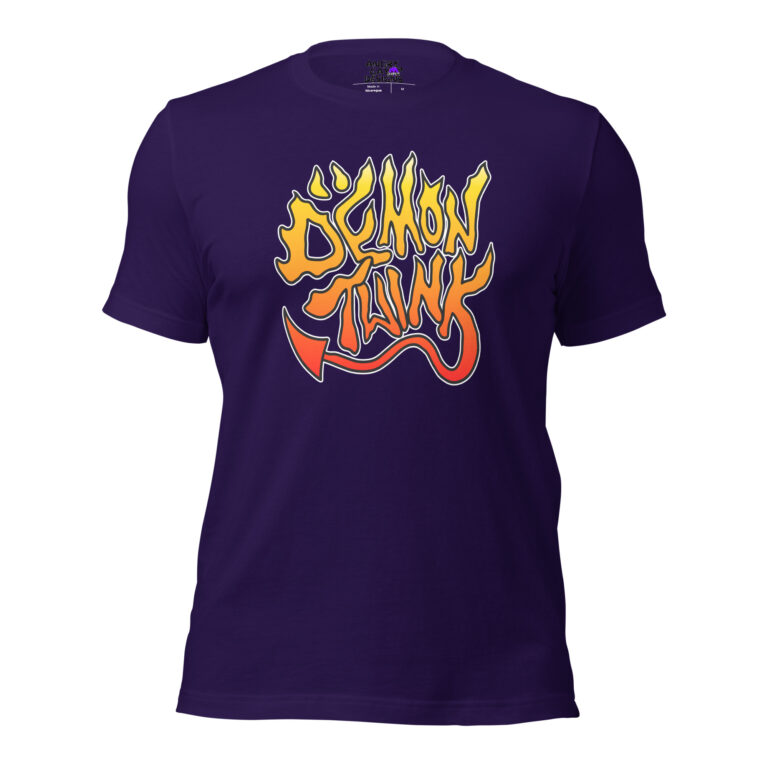
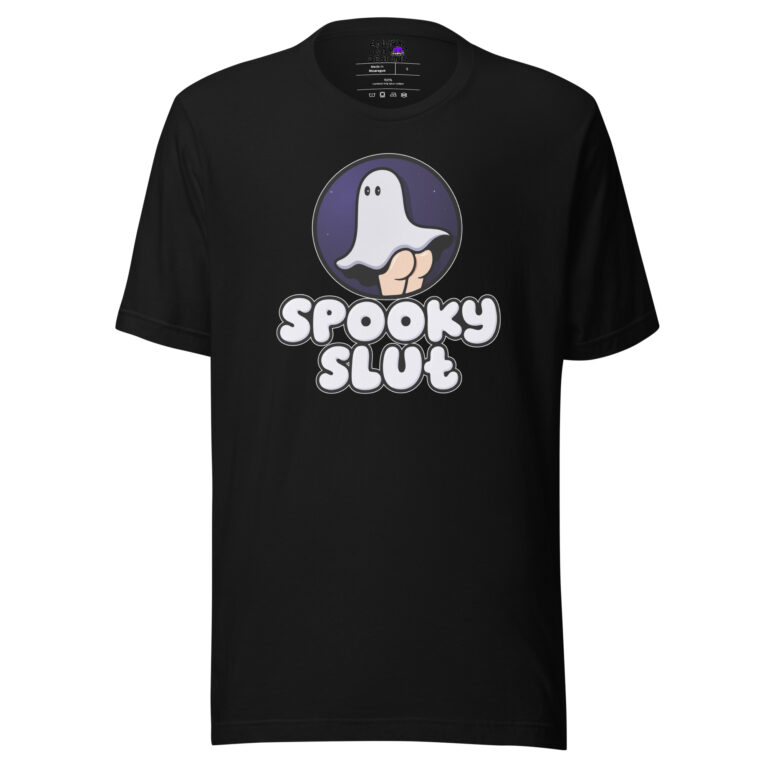
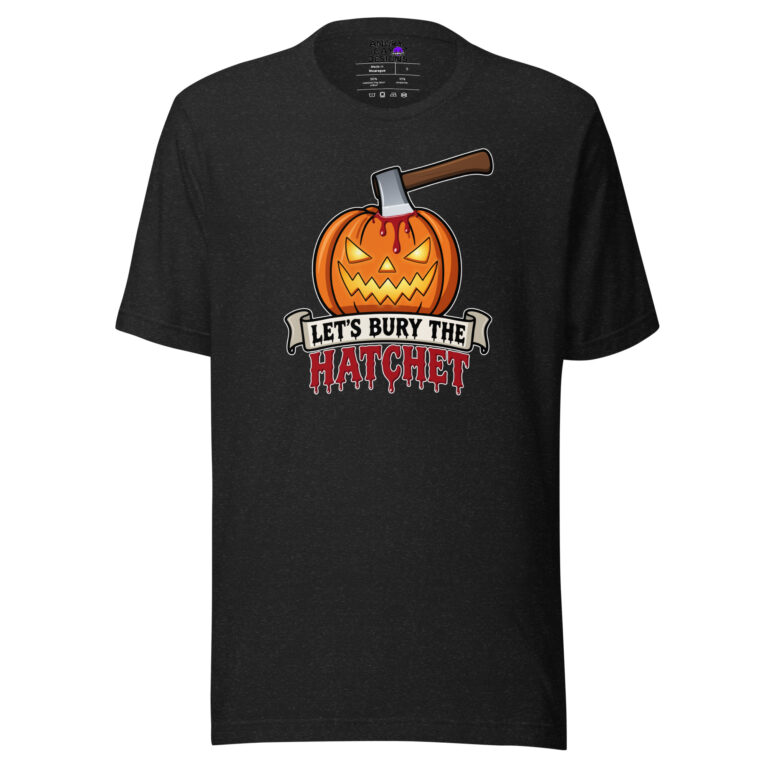
Grab the look: Funny Gay Shirts, Gay Pride Shirts, Parody & Meme Shirts, Gay Couples Shirts, and Holiday Shirts.
Same-sex marriage worldwide in 2026: nearly 40 countries say yes, dozens still criminalize. See where it’s legal, what’s new, and what’s contested.
Situationships, soft launching, breadcrumbing, the talking stage: a witty, accurate guide to modern dating terms through a queer lens. Decode it here.
What is the camp aesthetic, really? A culture explainer on Sontag, drag culture, and queer humor — and why being unserious is serious business. Read on.
Demon twinks, haunted hookups and costumes that require zero effort.
Tees from $29.99.