
Same-Sex Marriage Worldwide: A 2026 Map of Progress and Pushback
Same-sex marriage worldwide in 2026: nearly 40 countries say yes, dozens still criminalize. See where it’s legal, what’s new, and what’s contested.
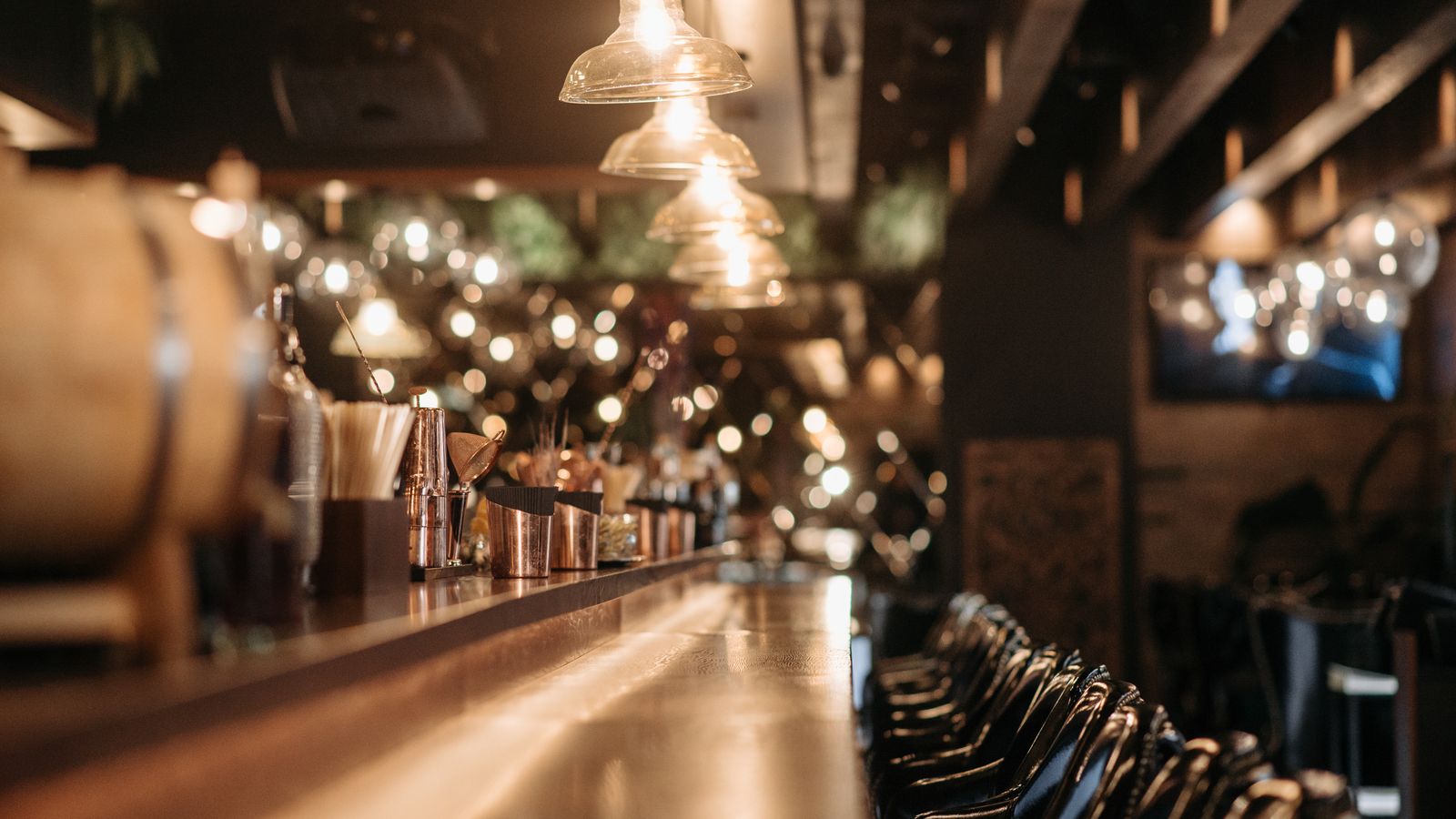
There is a specific sound a queer bar makes when a bachelorette party walks in. It is not a record scratch, exactly. It is more like a collective held breath: the bartender clocking the sash, the regulars doing quick math on whether the next ninety minutes will be fun or feral. To support LGBTQ spaces the right way, you have to understand that moment, because it contains the whole problem in miniature. Everyone wants to be welcome somewhere. Not everyone remembers that being welcomed is different from owning the room.
This is not a lecture about staying home. Queer venues are, by design, some of the most genuinely hospitable places on the planet. They were built by people who knew exactly what it felt like to be unwelcome everywhere else, which is why so many of them will hand you a drink and a nickname before you have finished introducing yourself.
The trick is showing up like a guest who plans to come back, not a tourist collecting a story. Allyship done right is mostly a posture: you are there for the place, not for the content it generates. Get that one thing and the rest is basically manners.
It is easy to treat a gay bar as just a bar with better lighting and a more committed sound system. It is not. For a lot of people it is the only place within an hour’s drive where they can hold a partner’s hand without doing a threat assessment first.
That is not sentimental framing; it is geography. The sociologist Greggor Mattson, who has spent years counting these venues, has put it bluntly: in most parts of the country, the gay bar is the only public LGBTQ+ place at all. It is the one reliable spot where queer people can expect to run into other queer people in the open, on purpose.
And they are not exactly multiplying. Mattson’s research found that roughly a third of gay bar listings in the U.S. vanished between 2007 and 2019 — about 36.6% over a 12-year stretch, as he told LGBTQ Nation. The losses landed hardest on venues serving women and queer people of color, the spaces that were already scarcest. So when people talk about how to support LGBTQ spaces, they are not being precious. The math is genuinely tight.
Lesbian bars are the clearest example. The Lesbian Bar Project, an Emmy- and GLAAD-honored documentary effort, currently tracks just a few dozen dedicated lesbian bars in the entire country. A whole category of community support, hanging by a couple of dozen liquor licenses. That is the stakes ceiling we are working under.
Let’s name the energy directly, because everyone is thinking about it. Nobody is mad that straight women like to dance. The friction comes from a specific mode of arrival — the one where a queer venue gets treated like a themed attraction at a wedding-prep amusement park.
It tends to look like this: a tight cluster of people who do not really talk to anyone outside the group, a sash, a giggly request for a drag performer to “say something to the bride,” and a running narration about how fun and accepting it all is, delivered at a volume that suggests the room is a set. The performers are not props. The men at the bar are not a petting zoo. The whole place is not your hype crew.
You can absolutely celebrate something here. Queer nightlife invented celebrating something. The fix is small and entirely doable:
None of this is hard. It is the difference between visiting someone’s home and treating their living room as a photo backdrop. A few venues have started turning bachelorette bookings away entirely, which tells you how worn out the welcome got. You can be the group that resets the reputation instead.
Showing up well at the bar is the entry-level version. The deeper move is supporting these places when there is no party attached and no one is watching.
Pride weekend takes care of itself. The rent is due in February. The most useful thing you can do for queer venues is be a regular on the dead nights — the random Wednesday, the slow happy hour, the open mic with eleven people in the room. Buy the drink, buy the food, buy the cover. Recurring small spending keeps the lights on far more reliably than one big blowout.
Queer spaces are not only bars. They are bookstores, cafes, community centers, sober spaces, sports leagues, and clinics. A lot of community support is about widening your definition of “the scene.” If your only mental image of LGBTQ life is a nightclub, you will miss the youth center that needs volunteers and the trans-led mutual aid fund that needs twenty bucks more than the club needs another vodka soda.
Posting about a queer venue you love is great. Posting in a way that frames you as its brave discoverer is less great. Tag the business, credit the performers, link the fundraiser. Let your platform point at them, not bounce back at you. The goal of showing up online is the same as showing up in person: make the place more visible, not yourself.
Here is the uncomfortable core of it. A lot of well-meaning support goes sideways because the supporter keeps quietly making themselves the main character — the cool ally, the safe one, the exception. Allyship done right means being genuinely fine with not being the center of attention in a room that was not built around you.
That cuts inside the community too, by the way. Plenty of cis gay men treat lesbian bars or trans-centered nights like optional side quests, and plenty of everyone treats spaces for queer people of color as someone else’s concern. Supporting queer venues means supporting the ones that are not built for you specifically — the bi night, the lesbian bar, the Black queer party, the disabled-accessible event you would not have sought out on your own.
A few principles travel well across all of it:
You will notice none of this requires you to be perfect or to have read every piece of discourse. It requires you to be a good guest who tips well and reads the room. That is a much lower bar than people fear, and a much higher one than the sash crowd tends to clear.
The healthiest version of support is almost boring. You find a place you love, you go back often, you spend money, you learn the bartender’s name, you bring friends who behave. You treat the performers like artists and the patrons like neighbors. Over a year, you become part of the reason the place is still open — quietly, without a single sash.
Queer spaces have survived raids, plagues, recessions, and a steady drip of closures that the numbers make impossible to ignore. They have done it because enough people kept showing up and kept the rooms full. You can be one of those people. Just remember whose house you are in, and behave like you would love to be invited back.
Yes, in almost every case. Most queer venues are happy to have respectful guests, and the welcome is a big part of the culture. The issue was never straight people existing in the space; it is groups who treat it like an attraction. Go, behave like a good guest, tip well, and you are genuinely part of the support.
A handful of venues have stopped taking bachelorette bookings after years of disruptive groups, but there is no blanket rule. Policies vary by bar. The smart move is to call ahead, ask if they welcome celebrations, skip the costumes, and keep the group integrated with the room rather than walled off in a corner.
Consistent spending on ordinary nights, plus real tips. Big crowds show up for Pride, but bars close in the quiet months. Becoming a regular who buys drinks and food on a slow Tuesday does more for a venue’s survival than one packed, photo-heavy weekend ever will.
Widen the definition. Community centers, LGBTQ bookstores, sober meetups, sports leagues, and online mutual aid funds all count. Donating, volunteering, and amplifying local queer organizers are forms of community support that do not require a dance floor, and they reach people in places where a bar was never an option.
Be very careful. Plenty of people in these spaces are not out at work, to family, or online, and a stray video can out them without consent. Ask before filming people, never record performers as if they are your personal content, and when in doubt, keep the phone in your pocket and just be present.
Keep reading: why gayborhoods are changing.
Same-sex marriage worldwide in 2026: nearly 40 countries say yes, dozens still criminalize. See where it’s legal, what’s new, and what’s contested.
Situationships, soft launching, breadcrumbing, the talking stage: a witty, accurate guide to modern dating terms through a queer lens. Decode it here.

What is the camp aesthetic, really? A culture explainer on Sontag, drag culture, and queer humor — and why being unserious is serious business. Read on.
Demon twinks, haunted hookups and costumes that require zero effort.
Tees from $29.99.