
Same-Sex Marriage Worldwide: A 2026 Map of Progress and Pushback
Same-sex marriage worldwide in 2026: nearly 40 countries say yes, dozens still criminalize. See where it’s legal, what’s new, and what’s contested.
For a long time, the loudest message queer kids got from gaming was that the lobby was not built for them. You could grind the ladder, carry the team, and clutch the round, and a stranger on voice chat would still try to shrink you down to a slur. So it is genuinely something to watch the script flip. Gaymers—LGBTQ+ people who play, stream, build, and obsess over video games—are no longer a footnote in someone else’s hobby. They are a culture with their own conventions, awards, studios, and in-jokes, and they are quietly remaking what gaming looks and sounds like from the inside out.
This is not a feel-good story about tolerance. It is a story about presence: about who gets to be the hero, who gets to design the game, and who finally gets to log on without bracing for impact. Here is how the gaymer movement grew up, where it is winning, where it is still fighting, and why all of it matters more than a rainbow logo in June.
“Gaymer” is a portmanteau of gay and gamer, and like a lot of community shorthand, it has outgrown its own etymology. In practice it is an umbrella that stretches across the whole LGBTQ+ spectrum—lesbian raid leaders, bisexual streamers, trans speedrunners, nonbinary game designers, and everyone whose identity does not slot neatly into the “default” gamer the industry spent decades imagining. The word is less about who you sleep with and more about a posture: showing up to a hobby that did not always want you, and refusing to be quiet about it.
What makes gaymers a genuine subculture rather than just a demographic is the infrastructure they have built. There are dedicated subreddits and Discord servers, queer-run guilds, Pride nights inside live-service games, and a steady ecosystem of streamers who treat their channels as both entertainment and safe harbor. The community is loud, online, and increasingly hard to ignore—which is exactly the point.
Queer people have, of course, been gaming since the first arcade cabinet flickered to life. But the gaymer movement as an organized thing took shape in the early-to-mid 2000s, when broadband, online forums, and multiplayer matchmaking made it possible to find each other at scale. Anonymity helped: in a Quake server or a guild chat, you could be out before you were out anywhere else. As Xbox Live, then Twitch, then Discord stacked on top of one another, those loose connections hardened into actual communities with their own norms, slang, and gathering places.
The turning point was institutional. In 2013, a Kickstarter-funded gathering called GaymerX (often shortened to GX) launched in San Francisco as the first gaming convention built specifically for LGBTQ+ players. Founded by Matt Conn and Toni Rocca, it grew out of a simple frustration: that giant industry shows like E3 felt unwelcoming to queer fans. GaymerX later became a nonprofit and expanded beyond San Francisco, and its tagline—”Everyone Games”—captured the assignment perfectly. Suddenly there was a physical room where being a gaymer was the default, not the exception.
Representation behind the scenes climbed too. In recent Game Developers Conference “State of the Game Industry” surveys, roughly a quarter of developers have identified as LGBTQ+, with the share running noticeably higher among those under 25. You cannot prove a single tidy statistic about an entire workforce, but the trend line is consistent: the people making games are getting queerer, and that is showing up on the screen.
The most visible payoff has been in the games themselves. A decade ago, queer characters were mostly subtext, side quests, or punchlines. Now they headline blockbusters. The Last of Us Part II centers Ellie, a lesbian protagonist, and her relationship with Dina as the emotional spine of a tentpole release. Supergiant’s roguelike Hades lets you romance characters of multiple genders as the canonically bisexual Zagreus, and pointedly treats his queerness as unremarkable in-world rather than a Very Special Episode.
The indie scene, much of it made by gaymers themselves, pushes further into the specifics big studios still tiptoe around:
For gaymers, this is not box-ticking. Seeing a character navigate dysphoria, a first crush, or a coming-out scene that lands honestly is the difference between playing a game and being seen by one. Representation done well does not announce itself; it just lets queer players exist inside a world without being the lesson.
Here is the unglamorous reason all of this organizing exists: online gaming can be brutal. Voice chat in competitive multiplayer is still a reliable place to collect homophobic and transphobic abuse, and “it is just trash talk” has long been used to wave it away. When the default lobby is hostile, building your own becomes a survival strategy, not a luxury.
That is why dedicated spaces matter so much. Queer-friendly Discord servers, LGBTQ+ guilds, inclusive Twitch communities, and conventions like GaymerX give players somewhere to log on without self-editing. Media has followed: Gayming Magazine, launched in 2019 as one of the first outlets dedicated entirely to queer gaming, now runs the annual Gayming Awards—first held in 2021 as the world’s first LGBTQ+ video game awards ceremony, and a fixture of the calendar ever since. A safe space is not about hiding from the wider world; it is about having one room where you do not have to translate yourself first.
Money noticed. The buying power of LGBTQ+ consumers is substantial, and studios, publishers, and sponsors have responded with in-game Pride events, rainbow cosmetics, and partnerships with queer streamers. Some of it is sincere; some of it is the corporate equivalent of changing a logo for thirty days and changing it right back on July 1.
Gaymers have gotten good at telling the two apart. The tell is usually participation: does the company actually employ, pay, and platform LGBTQ+ creators year-round, or does it parachute in a rainbow skin for the discourse and vanish? The brands that earn real loyalty are the ones that treat queer players as collaborators rather than a seasonal marketing slice—and the community is more than happy to call out the ones that do not.
Gaymers are emphatically not a monolith, and the most fun part of the scene is how it fractures into smaller, weirder, more specific worlds. There are queer furries with elaborate fursonas, trans speedrunners shaving frames off classic titles, drag performers building streaming brands, and LGBTQ+ esports squads carving out room in a competitive landscape long dominated by a narrow idea of who belongs at the top.
Platforms have shaped this sprawl. Itch.io in particular has become a haven for experimental, openly queer games that would struggle to land a traditional storefront slot—small, strange, deeply personal projects made by and for people the mainstream forgot to design for. That long tail of tiny games is where a lot of the genre’s most honest queer storytelling actually lives.
As gaymers move from the lobby into the studio—as designers, writers, marketers, and executives—the medium keeps bending toward them. None of it is guaranteed, and progress in gaming has a habit of triggering ugly backlash. But the realistic near-future wish list is concrete and increasingly achievable:
The throughline is the same one gaymers have pushed from the start: inclusion is not a bonus feature you bolt on at the end. It is a design decision you make at the beginning, and it makes the games better for everyone in the lobby.
Being a gaymer today means more than owning a console and a Pride flag. It means visibility in spaces that once demanded silence, community where there used to be isolation, and creative power where there used to be only consumption. From dragging toxic lobbies into the light to writing queer stories into the canon of the medium, gaymers are proving that representation in gaming is not a niche request—it is a baseline.
So whether you are a casual mobile player, a visual-novel crier, or a ranked-ladder menace, the message is simple: if you are LGBTQ+ and you love games, you are not a guest in this hobby. You are part of what it is becoming.
“Gaymer” blends gay and gamer, but in practice it covers the whole LGBTQ+ spectrum—lesbian, bi, trans, nonbinary, and queer players, streamers, and developers. It describes both an identity and a community built around gaming culture.
GaymerX (GX) is widely credited as the first gaming convention created specifically for LGBTQ+ players. It launched in San Francisco in 2013 after a successful Kickstarter and later grew into a nonprofit serving queer gamers and developers.
Standout examples include The Last of Us Part II (lesbian protagonist Ellie), Hades (bisexual lead Zagreus with multiple romance options), Dream Daddy, Boyfriend Dungeon, and indie titles like If Found… and A Year of Springs that center trans stories.
Mainstream multiplayer spaces still carry a lot of homophobic and transphobic harassment, especially in voice chat. Queer-friendly servers, guilds, streams, and events give players somewhere to log on, play, and connect without hiding who they are.
Yes. The Gayming Awards are run by Gayming Magazine and were first held in 2021 as the world’s first awards ceremony dedicated to LGBTQ+ video games. They have become an annual celebration of queer excellence across the industry.
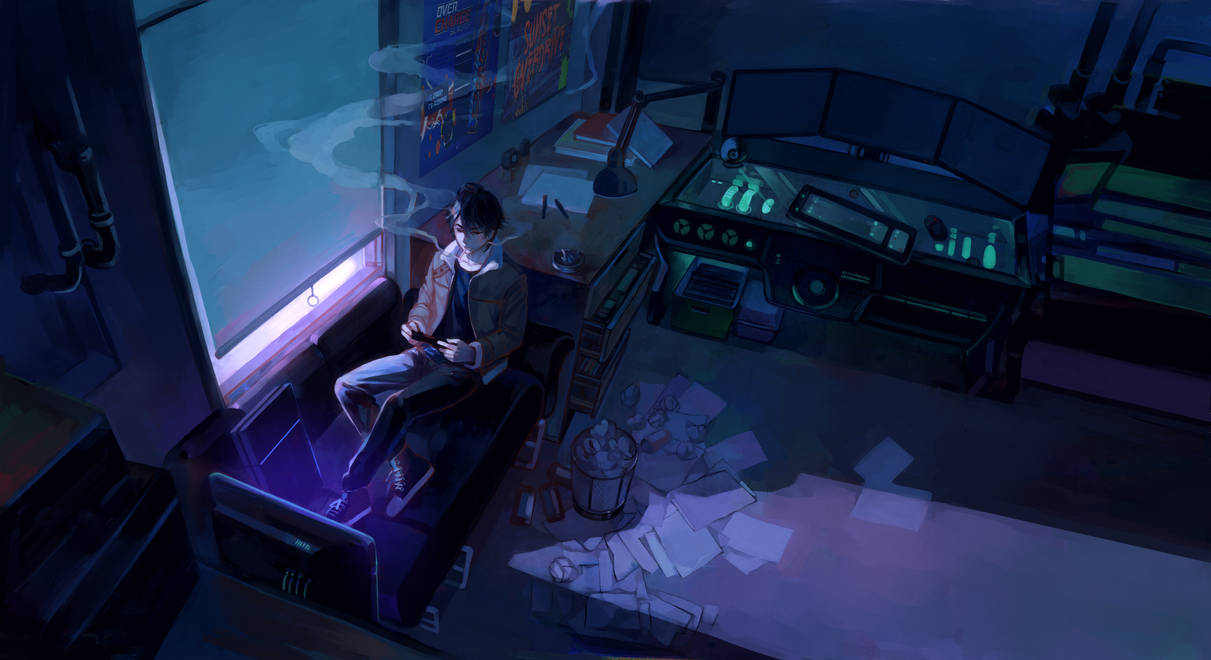
Art: Commission: the gamer By Taro-K
Keep reading: where conversion therapy bans stand in 2026.
Grab the look: Funny Gay Shirts, Gay Pride Shirts, Parody & Meme Shirts, Gay Couples Shirts, and Holiday Shirts.
Same-sex marriage worldwide in 2026: nearly 40 countries say yes, dozens still criminalize. See where it’s legal, what’s new, and what’s contested.

Situationships, soft launching, breadcrumbing, the talking stage: a witty, accurate guide to modern dating terms through a queer lens. Decode it here.

What is the camp aesthetic, really? A culture explainer on Sontag, drag culture, and queer humor — and why being unserious is serious business. Read on.
Demon twinks, haunted hookups and costumes that require zero effort.
Tees from $29.99.