Same-Sex Marriage Worldwide: A 2026 Map of Progress and Pushback
Same-sex marriage worldwide in 2026: nearly 40 countries say yes, dozens still criminalize. See where it’s legal, what’s new, and what’s contested.

Few words in the gay lexicon do as much heavy lifting as twink. It’s a compliment, an insult, a dating-app filter, a punchline, an identity, and a full-blown cultural category — sometimes all in the same sentence. It shows up in group chats, on Grindr, in New York Times trend pieces, and on approximately nine thousand t-shirts (five of which, full disclosure, we happen to sell). And yet if you put ten gay men in a room and asked them to define it, you’d get eleven answers and at least one argument.
So let’s do the thing nobody actually agrees on: let’s define the twink. We’ll cover what makes one, where the word came from, the endless debate about age and body “rules,” the meme-ification of “twink death,” how twinks stack up against the other gay tribes, the genuinely ugly side of twink culture — and the genuinely good, joyful, sexy side too. Grab a seltzer. This is going to be fun.
At its most basic, twink is gay slang for a young man — typically read as somewhere in the 18-to-25 range — with a slim, lean build, a youthful face, and little to no body or facial hair. Smooth, boyish, a bit fashion-forward, often with the metabolism of a hummingbird and the confidence of someone who has never once been ignored at a bar. The stereotype layers on a few extras: a certain playful, expressive energy, and (thanks to decades of imagery) an unfair assumption of blondness that plenty of very real, very brunette twinks would like to formally dispute.
Crucially — and we’re going to say this more than once because the internet has a habit of getting weird about it — a twink is an adult. The whole aesthetic is “youthful-looking grown man,” not “young.” Timothée Chalamet, Troye Sivan, a young Leonardo DiCaprio: these are the reference points the culture reaches for. Slim, smooth, disarmingly pretty, and old enough to order a drink.
Where it gets slippery is the edges. Because “young, slim, and smooth” describes a look, not a birth certificate or a BMI — which is exactly why the definition has been quietly starting fights for sixty years.
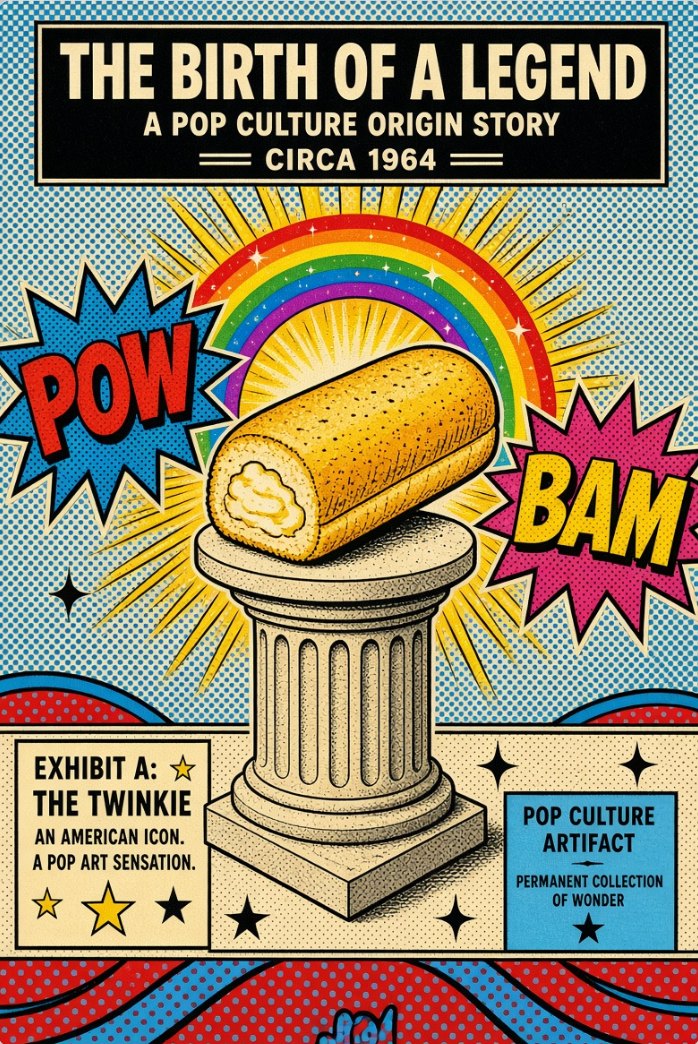
The etymology is a beautiful mess, which feels appropriate. The earliest documented use of “twink” in something like its modern sense shows up in a 1963 article in the academic journal American Speech, where it’s grouped in with other era-appropriate slurs like “pansy.” Oxford traces the roots even a little earlier, to the 1950s. So the word is older than disco, older than Stonewall, older than most of the people currently using it as an insult in the comments.
As for why “twink,” there are a few competing theories. The fan favorite ties it to the Twinkie — the snack cake that is sweet, golden, a little insubstantial, and famously “cream-filled” (make of that what you will; gay slang certainly did). Another camp points to older British slang, twank, and there’s a tidy backronym floating around — “Teenaged, White, Into No Kink” — that is almost certainly a later invention reverse-engineered to fit the letters. Nobody can prove which came first, and honestly, the ambiguity is on-brand.
The word really found its feet in the 1970s, in the newly visible, post-Stonewall gay scene, where — as communities got louder and prouder — labels emerged to sort everyone by look and vibe. Early on it was often used dismissively, shorthand for “cute but shallow.” Then came the big shift: by the 1990s and early 2000s, the lean, smooth twink aesthetic had largely dethroned the mustachioed, hyper-masc “Castro clone” as the dominant gay beauty ideal — a change historians tie in part to the way that older macho look became painfully associated with the AIDS crisis. Gay porn cemented the term into the mainstream vocabulary, and by 2018 the New York Times was literally declaring the “Age of the Twink,” pointing at red-carpet darlings like Chalamet and Sivan as proof. Sixty years from journal footnote to magazine cover. Not bad for a snack cake.
Here’s where the group chat detonates. Because the moment you try to pin “twink” to hard numbers, the whole thing falls apart — and everyone has Opinions.
The age question. The classic window is roughly 18 to 25. But plenty of people argue it’s not about the number at all — it’s about whether you still read as youthful. There are 31-year-olds who could pass for 22 and get carded buying scratch tickets; the community has, somewhat mercifully, made room for the idea that twinkhood is a look you can hold onto, not a Cinderella curfew that strikes at your 26th birthday.
The “weight limit.” This is the one people whisper about and nobody will officially cop to. There’s no actual rulebook, no bouncer with a scale, no maximum poundage stamped on your gay card. What people mean when they invoke a “weight cutoff” is really about looking lean and slight — visible collarbones, skinny jeans that fit like they were painted on, a build that reads “boy” rather than “gym bro.” The second you add serious muscle you’ve arguably graduated to a twunk (more on that below); add softness and the discourse gets even messier and, frankly, meaner. The honest take: the “weight rule” is less a real standard and more a symptom of how much gay culture polices bodies — which we’ll get into.
The real answer: age vs. body vs. attitude. If you push people, most land somewhere around “it’s a vibe.” A twink is young-ish, slim-ish, smooth-ish, and carries a certain playful, unbothered, main-character energy. It’s a Venn diagram, not a checklist — which is exactly why the label is so useful and so easy to weaponize. Speaking of which: if you’ve ever felt like a walking contradiction of these “rules,” we made a Twink Disaster shirt specifically for you.
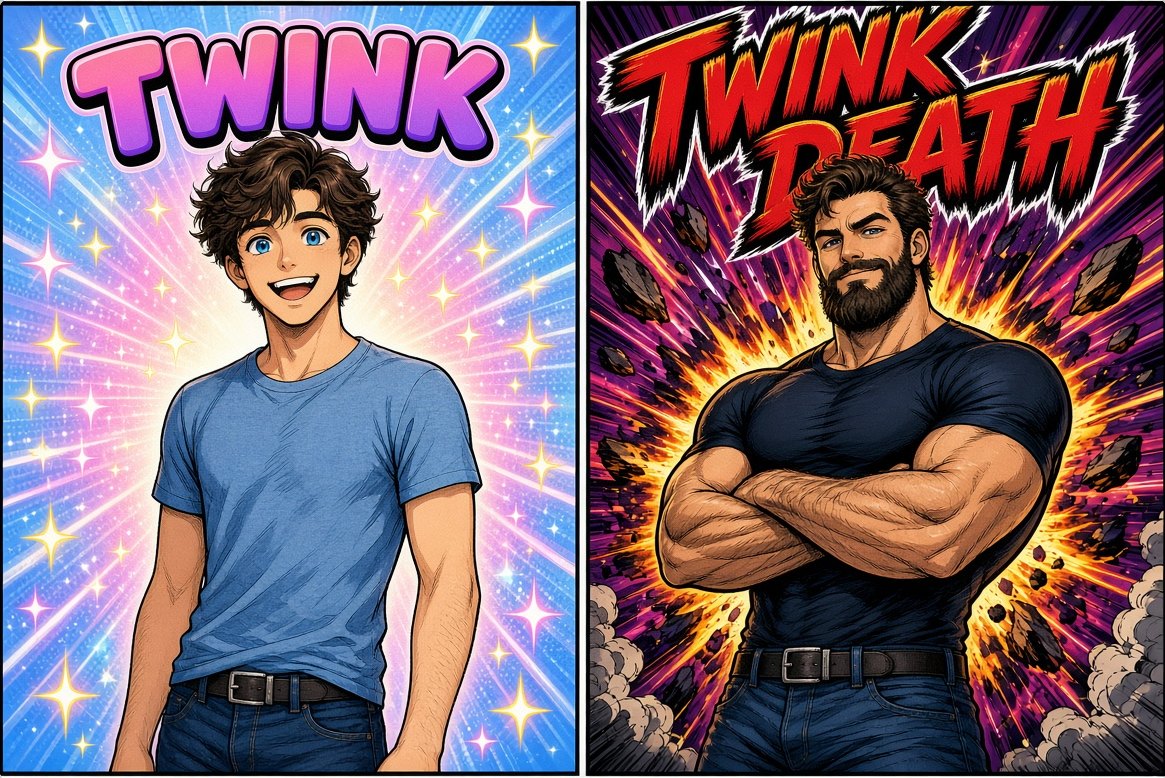
You cannot talk about twinks in the year 2026 without talking about twink death — the extremely online idea that a twink eventually “ages out” of twinkdom and, per the meme, loses his youthful powers. Urban Dictionary lore puts the supposed expiration around 30, though the concept is about aesthetics, not a specific birthday.
In practice, “twink death” went viral as a before-and-after format: people posting side-by-side photos of their twinky past self next to their current, often hotter, bearded-and-buff present self. And here’s the funny part — most of these posts show barely any change at all. A slightly fuller beard. A single wrinkle you’d need a magnifying glass to find. The “death” is usually a glow-up wearing a Halloween costume.
Under the jokes, though, there’s a real nerve. “Twink death” taps into a genuine anxiety about aging and losing social value in a culture that can be brutally youth-obsessed. Part of why that anxiety runs so deep is historical: the AIDS crisis devastated a generation of older gay men, leaving fewer visible role models for what aging happily and authentically as a gay man even looks like. So the fear of “aging out” landed on fertile ground.
The healthy reframe — and the one we’ll happily die on this hill for — is that aging is a privilege, not a defeat. Twink death isn’t the end of anything; it’s just the next chapter, usually with better skincare and more self-respect. Whether you fight it, embrace it, or lean all the way in, we salute you — which is exactly why the Aging Twink tee exists. Still got it. Still using it.
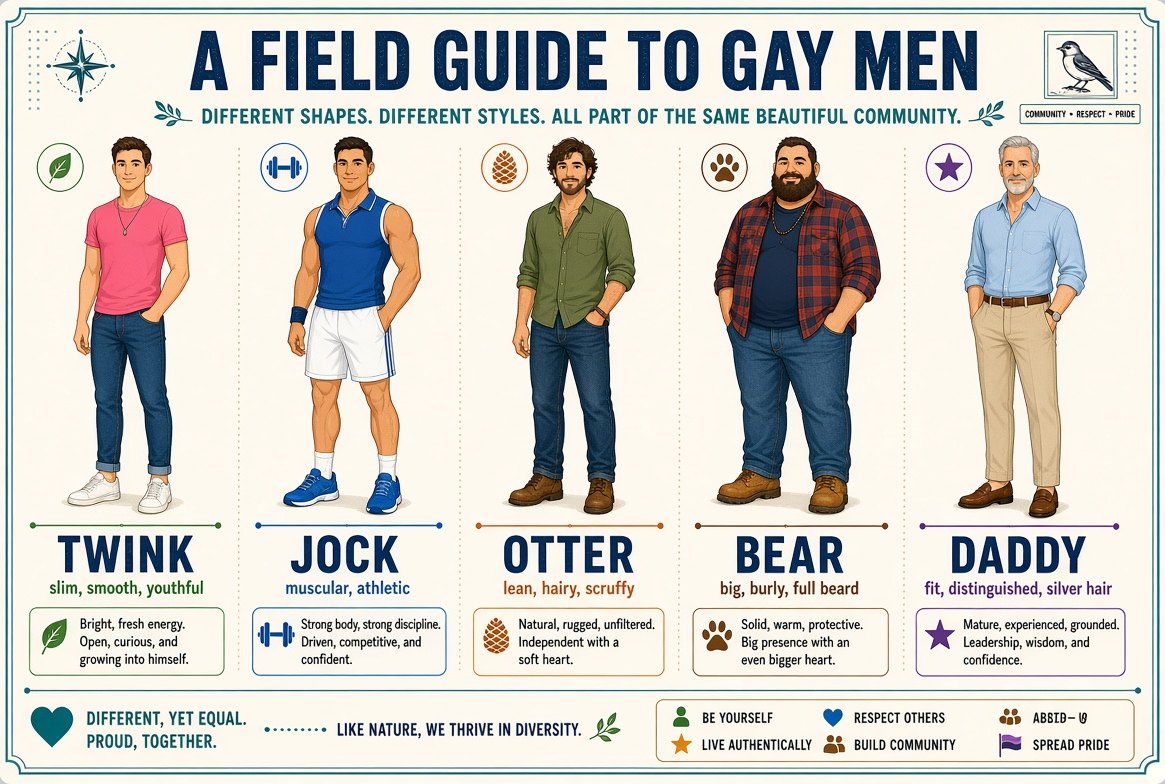
The twink doesn’t exist in a vacuum. He’s one entry in a whole ecosystem of gay “tribes” — the (mostly affectionate, occasionally reductive) shorthand the community uses to describe body types and vibes. Grindr famously turned them into literal filters. Here’s how the twink measures up against his fellow archetypes:
| Tribe | Age vibe | Body | Body/facial hair | Energy |
|---|---|---|---|---|
| Twink | Young / youthful (18-25ish) | Slim, lean, slight | Smooth, little to none | Playful, bright, main-character |
| Twunk | 20s | Lean but muscled (twink + gym) | Mostly smooth | Twink confidence, extra swagger |
| Jock | Young to mid | Muscular, athletic, low body fat | Usually minimal | Sporty, competitive, high-energy |
| Otter | Younger | Slim, lean | Hairy / scruffy | Fun, adventurous, easygoing |
| Wolf | Variable | Lean and muscular | Hairy, often bearded | Confident, assertive, a little prowl-y |
| Cub | Younger | Softer, smaller-framed bear | Hairy | Warm, playful, affectionate |
| Bear | Older (since the ’80s) | Big, burly, stout | Very hairy, full beard | Warm, protective, often dominant |
| Daddy | 40+ | Well-maintained, distinguished | Salt-and-pepper welcome | Confident, grounded, mentor energy |
A few things worth saying out loud. These tribes aren’t a caste system — people move between them, ignore them, or belong to three at once. A twink who discovers protein powder becomes a twunk; a twink who discovers a beard and a hiking hobby might drift otter-ward; and “twink death,” as we covered, is really just the scenic route toward wolf, otter, or (eventually, gloriously) daddy. The labels are a fun map, not a life sentence.
Now for the part the fun trend pieces skip. Because as playful as twink culture can be, the idealization of the twink has a genuine shadow — and it’s worth being honest about it.
It skews white. Scholars who study this (like Susan Driver and Zeb Tortorici) have pointed out that the twink ideal, as it’s been marketed and consumed, leans hard on “ageist and racist tropes of youth and white desirability.” The default mental image of a twink has, for decades, been coded young and white — which quietly sidelines everyone who doesn’t fit that frame, even though twinks obviously come in every color.
It can be femmephobic. Twink culture collides with the gay community’s long, ugly habit of “masc4masc” gatekeeping — the idea that masculine is desirable and feminine is somehow lesser. Twinks, often read as softer or more femme, catch both ends of that: fetishized on one hand, dismissed on the other.
It’s part of a body hierarchy. When one body type gets crowned the ideal, everyone outside it pays for it. The flip side of “twink” being desirable is the fatphobia and exclusion baked into “no fats, no femmes” culture and the swipe-left-to-erase-a-whole-demographic logic of the apps. It’s not that liking twinks is bad; it’s that treating one narrow body as the standard leaves a lot of people feeling invisible.
And it takes a real toll. The pressure to stay thin, smooth, and forever-young is linked to genuinely serious stuff in gay men’s communities — disordered eating, body dysmorphia, and worse. If any of that hits close to home, you’re not alone and it’s worth talking to someone; the National Alliance for Eating Disorders runs a helpline staffed by clinicians. A t-shirt company saying this might be a little unusual, but we’d rather be a little unusual than pretend the discourse is all jokes.
There’s also the question of whether “twink” itself is a slur. The consensus is: not really — it’s a descriptor, and one many people happily claim — but it curdles fast when it’s weaponized. As one media critic put it, the word drifted over the years from “a cutesy, mildly negative stereotype” into easy shorthand for a lot of nastier assumptions about gay men. Context, as always, is everything: “you’re such a twink” between friends is a wink; hurled by a stranger, it’s something else.
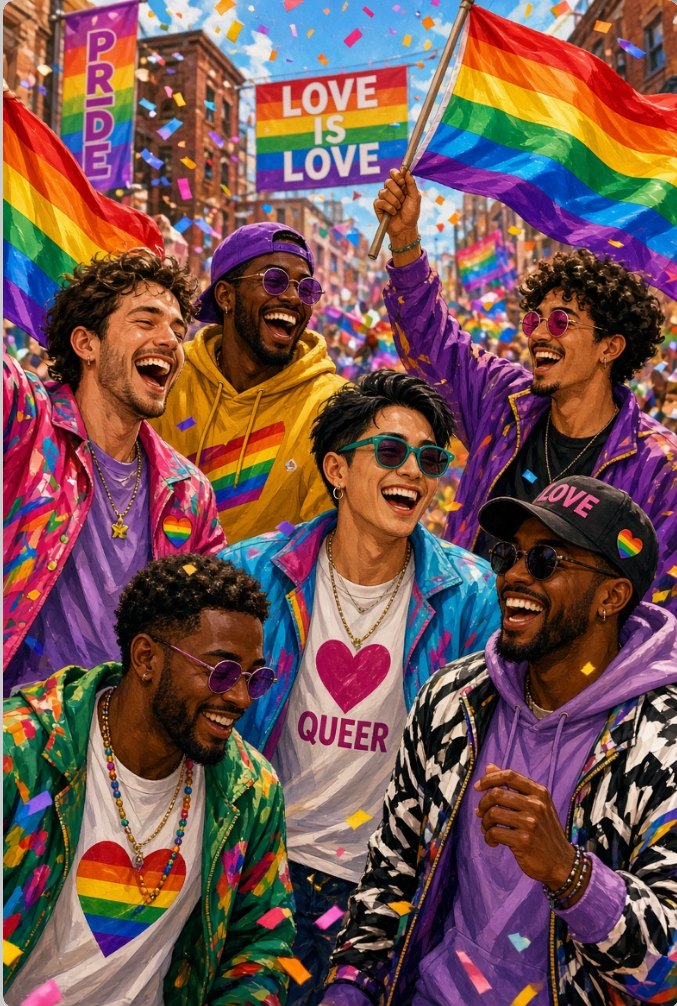
Okay, deep breath — because it’s not all discourse and doom. Twink culture, at its best, is a genuinely lovely, life-affirming thing.
It’s a first home. For a lot of newly-out young guys, “twink” is the first label that fits — the first time there’s a word, a look, and a whole community that says there’s a place for you here. That matters. Finding your people is half of coming out, and the tribes, for all their flaws, are a doorway in.
It’s a rebellion in disguise. The twink offers a softer, slimmer, more playful alternative to the buff-and-gruff hyper-masculinity that dominated gay imagery for years. Every twink who shows up unapologetically pretty and a little femme is quietly pushing back on the idea that there’s only one way to be a man. Stars like Troye Sivan and Olly Alexander built entire aesthetics on exactly that, and a generation of kids saw it and exhaled.
It’s been reclaimed with a wink. The best thing that’s happened to “twink” lately is that the community grabbed the wheel. “Twink death,” “certified twink,” “twink handler” — the humor is self-aware, affectionate, and gloriously silly. When you can laugh at the label, it can’t be used against you nearly as easily.
And, look — it’s sexy. There’s nothing wrong with finding youthful, playful, confident energy attractive. The trouble was never desire; it was the gatekeeping. Enjoy the twink. Be the twink. Date the twink. Just don’t build a hierarchy out of him.
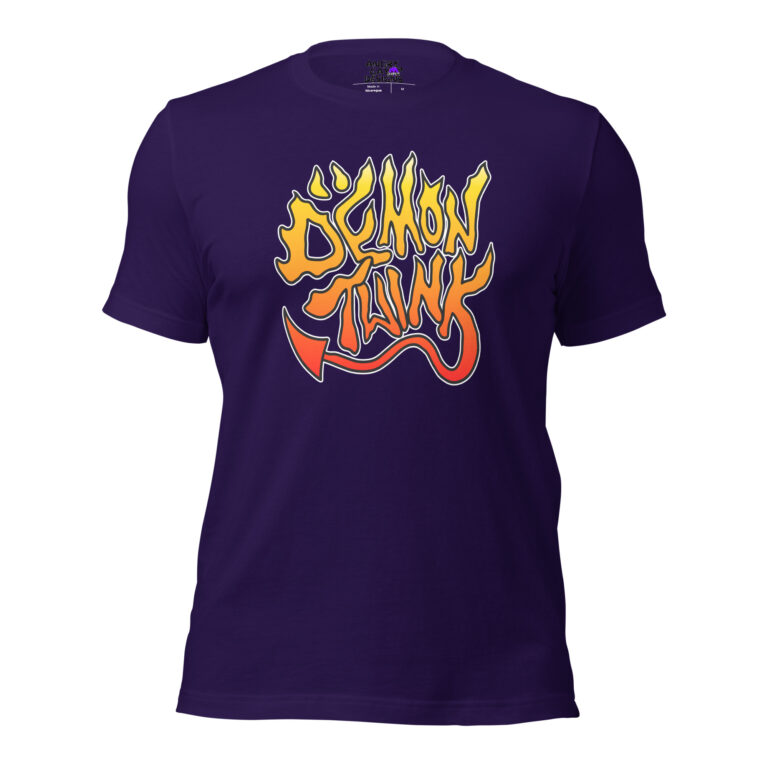
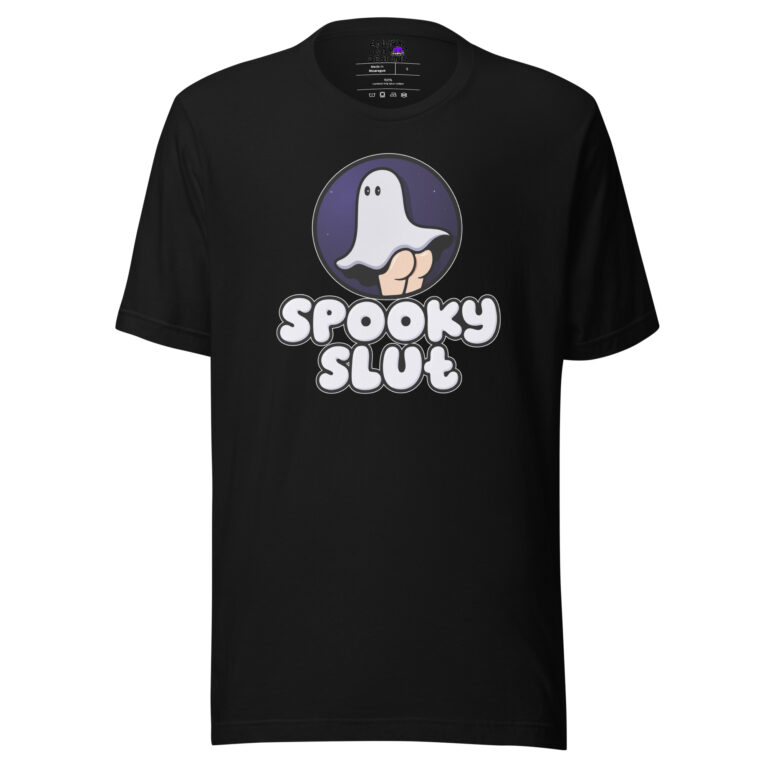
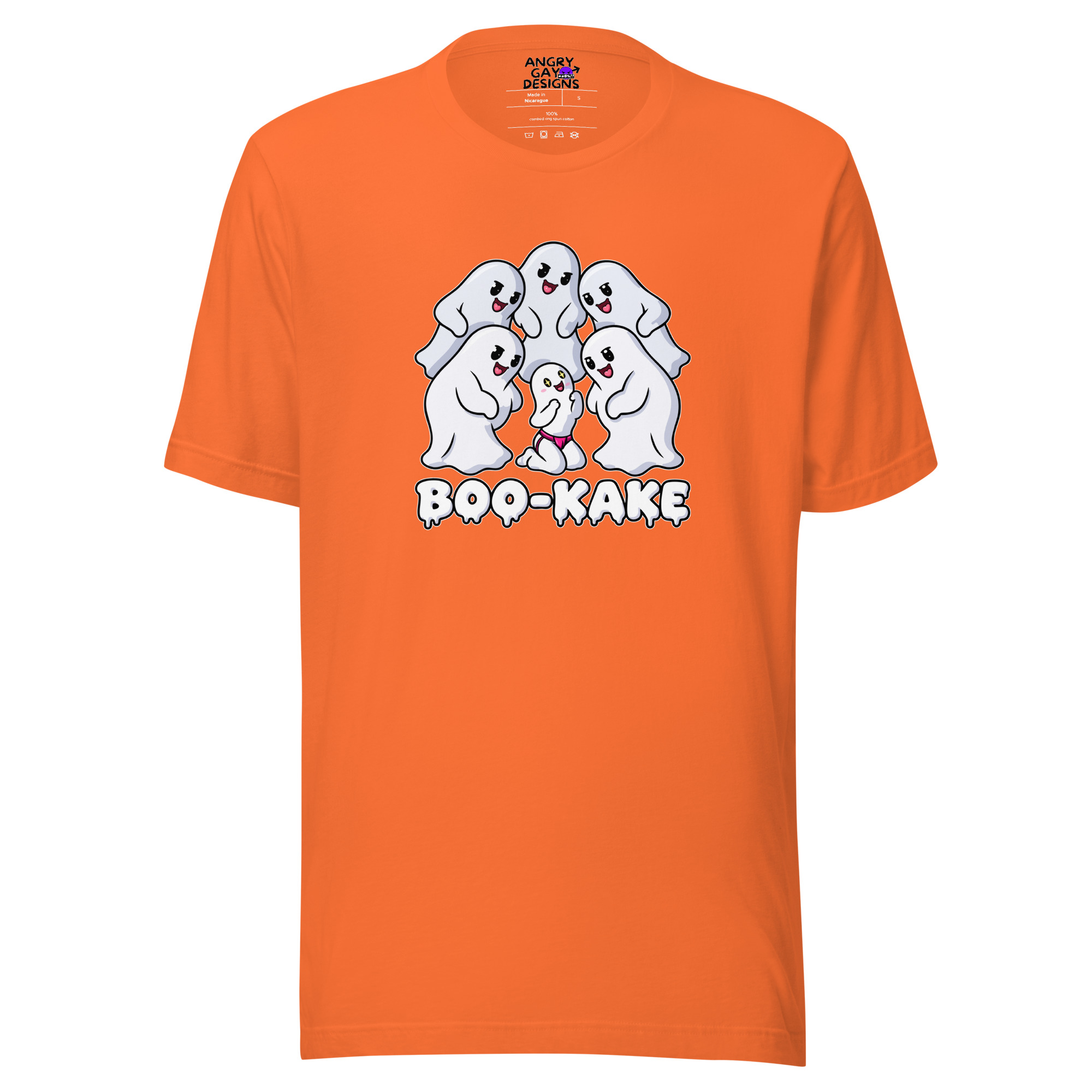
We’d be a pretty strange gay apparel brand if we ran three thousand words about twinks and didn’t mention that we’ve built a small shrine to the whole phenomenon in tee form. Every one of these was designed with love, a little chaos, and zero interest in taking any of it too seriously:
Whether you’re a proud twink, a recovering twink, a twink-adjacent otter, or a daddy who remembers his twink era fondly — there’s a shirt in here with your name on it.
So, what makes a gay man a twink? Youth, slimness, smoothness, and a certain sparkle — held together less by strict rules than by vibe and self-recognition. It’s a word with a sixty-year history, a snack-cake origin myth, a toxic streak worth naming, and a joyful, communal, reclaimed heart worth celebrating. The twink is gay culture in miniature: a little vain, a little political, extremely online, and — when we’re at our best — big-hearted enough to make room for everyone, twink and non-twink alike.
Now if you’ll excuse us, someone has to go be a Twink Disaster, and it’s not going to be a problem for anyone but us.
Further reading & sources: Wikipedia: Twink; LGBTQ Nation, “What is a twink & is it a slur?”; i-D, “The complicated politics of the twink”; The New York Times, “The Age of the Twink”. This piece is about adults and gay adult culture; the “youthful” aesthetic described here refers to grown men who read as young, full stop.
Same-sex marriage worldwide in 2026: nearly 40 countries say yes, dozens still criminalize. See where it’s legal, what’s new, and what’s contested.

Situationships, soft launching, breadcrumbing, the talking stage: a witty, accurate guide to modern dating terms through a queer lens. Decode it here.

What is the camp aesthetic, really? A culture explainer on Sontag, drag culture, and queer humor — and why being unserious is serious business. Read on.