
Same-Sex Marriage Worldwide: A 2026 Map of Progress and Pushback
Same-sex marriage worldwide in 2026: nearly 40 countries say yes, dozens still criminalize. See where it’s legal, what’s new, and what’s contested.


You have probably heard the speeches. Someone swears uncut is more natural, more sensitive, just better all around, and then in the very next breath calls it dirty, like foreskin is a biohazard waiting to happen. The cut or uncut debate runs on exactly this kind of contradiction, usually delivered with total confidence by people who have very limited firsthand experience with either. So let us actually talk about it: not as a turf war, but as a question of anatomy, history, hygiene, and the difference between a real preference and a recycled bias.
Here is the honest framing. The cut or uncut conversation is less about penises than it is about people, projecting personal taste as universal fact, repeating cultural conditioning as if it were science, and turning one small fold of skin into a referendum on someone’s worth in bed. Strip away the noise and the picture gets a lot calmer, and a lot more interesting.
Start with the line that refuses to die: “uncut is dirty.” It is the most common thing people say, and it is also flatly wrong. Foreskin does not make a person dirty. Not washing makes a person dirty. The foreskin is skin, and you rinse under it the same way you wash behind your ears or under your arms. Smegma, the stuff people get squeamish about, is just a normal mix of skin cells and natural oils that builds up when you skip that step, exactly like body odor builds up when you skip a shower. The fix is a habit, not surgery.
There are spotless uncut guys and there are filthy cut guys, and the deciding variable is the same for both: how often they wash and how well. Having foreskin simply means retracting it and rinsing underneath with warm water. That is the entire protocol, and most major health bodies describe it in exactly those low-drama terms. Blaming foreskin for someone’s poor hygiene is like blaming the carpet for a guy who never vacuums.
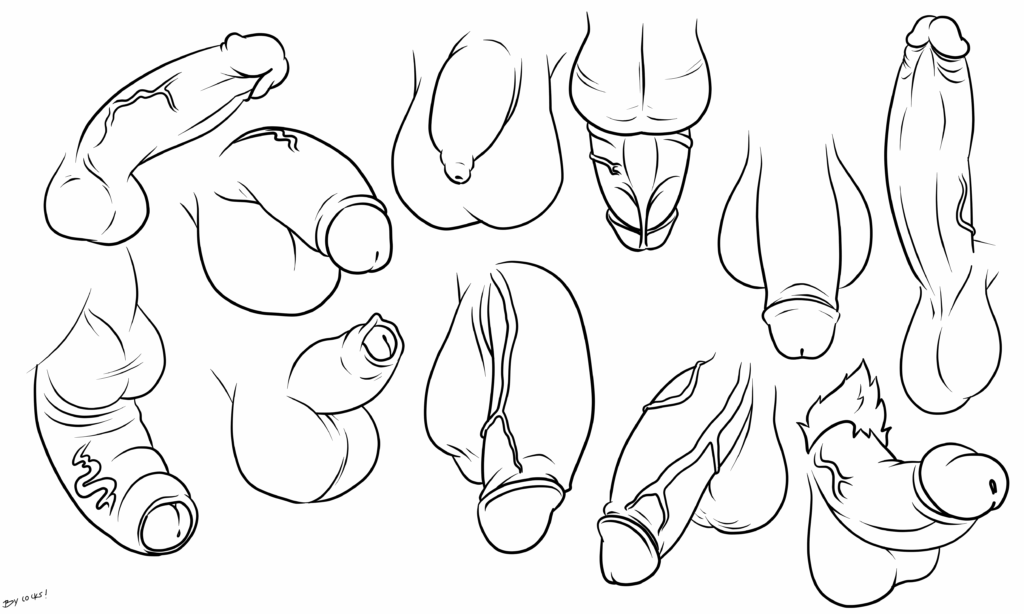
This is where it helps to leave the locker room and look at the data, because the medical reality is more measured than either camp wants it to be. Circumcision carries some documented benefits, but they are mostly modest in a place like the United States, and they do not turn into a verdict on which body is “better.”
Notice what that list does not say. It does not say uncut men are unhealthy, and it does not say circumcision is necessary. The American Academy of Pediatrics reviewed the evidence and concluded the benefits outweigh the risks enough to justify access for families who want it, yet it pointedly stopped short of recommending routine circumcision, leaving the call to parents. “Benefits outweigh the risks” and “everyone should do this” are very different sentences.
Another claim on permanent rotation is that cut guys last longer because removing the foreskin dulls sensitivity. The research here is genuinely mixed. Some studies report small differences in fine-touch sensitivity at the glans and foreskin; others find no meaningful difference in arousal, orgasm, or satisfaction. In plain terms: there may be a sliver of truth for some men, but it is nowhere near the reliable on/off switch the myth pretends it is.
Stamina is not a single dial labeled “foreskin.” It is control, arousal level, experience, nerves, mental focus, how recently you last finished, and a dozen other moving parts. There are uncut guys with marathon stamina and cut guys who clock out early, and vice versa. The fold of skin is a bit player here, not the director.
The idea that foreskin is inherently “gross” does not come from a lab. It comes from culture, and in the U.S. specifically, from a strange chapter of history. Routine infant circumcision took hold in late-nineteenth-century America largely as a moral-hygiene crusade, with influential physicians of the era promoting it as a supposed cure for masturbation, which they bizarrely linked to everything from insanity to physical decline. The health rationales arrived later; the cultural habit came first, and it stuck.
Zoom out and the “gross” reaction looks very local. Globally, only about a third of men are circumcised. Rates are near-universal in Muslim-majority countries and in Jewish communities, where it is a religious practice; high across much of Africa; and notably low across most of Europe, where estimates sit somewhere in the single digits to low double digits. The U.S., at roughly 55 to 60%, is an outlier among wealthy Western nations. Latin America also skews heavily uncut. Asia is genuinely mixed, common in places like the Philippines and South Korea, uncommon in China and Japan. So when someone treats uncut as exotic or unclean, they are mostly revealing where they grew up.
For uncut men, the foreskin covers and protects the glans, and many describe it as keeping that area more sensitive over time. During sex or solo, the foreskin glides over the head, which can reduce friction and create a smoother, more fluid sensation. Plenty of guys describe it as simply feeling more natural, because for them it is the body they have always had.
Cut men have a permanently exposed glans, which can mean more direct contact and, for some, a stronger or more focused sensation. Some prefer exactly that; others notice the glans toughens slightly over time. The honest takeaway is that neither setup is a built-in upgrade. They are two different defaults, each with its own texture of experience, and most partners adapt to either without much thought once the bedroom door is closed.
The “uncut equals dirty” line has been used to shame people for generations, and it ignores something basic: anyone old enough to be sexually active is old enough to wash. A few seconds of rinsing under the foreskin is not some advanced ritual. Cut bodies have their own upkeep too, from grooming to general cleanliness. Clean is a practice, and it is available to every kind of body.
Every body comes with maintenance. People with vaginas manage natural discharge, everyone has to wipe, and uncut guys add one quick extra step in the shower. None of it is difficult. If a partner is not clean, that is about the partner’s habits and consideration, not about the anatomy they were born with.

Circumcision status does not make anyone a better partner. It does not make them cleaner, kinder, more generous, or more skilled. Those things come from effort, communication, hygiene, and actually paying attention to the person you are with. None of that is stored in a ring of skin or the absence of one.
Does it matter at all? Less than people think, but preferences are real and that is fine. You are allowed to like what you like. The line worth watching is the one between preference and judgment. Quietly having a type is human. Treating someone as dirty, deficient, or less desirable because of their foreskin is not a preference; it is a bias, and it says far more about the person making the call than about the body in question.
What should actually move the needle is whether someone is clean, communicative, respectful, and confident, whether they know how to handle their own body and yours, and whether they care enough to make the experience good for both of you. That is the real measurement, and it never came with a scar or a fold.
So before you plant a flag in the cut or uncut debate, ask whether you are responding to anything you have actually learned, or just repeating lines from porn, the locker room, and a sixth-grade health class. Once you listen, read past the myths, and meet a few people outside your bubble, the conclusion is almost boring in its simplicity: the skin was never the issue. The person wearing it is.
No. An uncut penis is just as clean as a cut one as long as the person rinses under the foreskin during a normal shower. Hygiene tracks with habits, not anatomy. A guy who does not wash is unclean whether or not he has foreskin.
Not reliably. Research on foreskin and sensitivity is mixed, and stamina depends far more on arousal, control, experience, and headspace than on circumcision status. There are long-lasting guys and quick-finishing guys in both camps.
It is largely cultural history. Routine infant circumcision spread in the U.S. in the late 1800s as a moral-hygiene trend, and it became the default. Most of Europe never adopted the practice, so being uncut there is simply the norm.
There are some documented ones, including lower rates of certain infections and a reduced risk of HIV transmission in specific high-burden settings, plus fewer infant UTIs. But major bodies like the American Academy of Pediatrics consider the benefits modest enough that they do not recommend routine circumcision and leave it to personal, cultural, or religious choice.
Completely normal. Preferences are personal and harmless. The only thing worth checking is whether a preference has tipped into shaming or treating someone as less worthy, because that crosses from taste into prejudice.
Keep reading: the new grammar of queer dating.

Same-sex marriage worldwide in 2026: nearly 40 countries say yes, dozens still criminalize. See where it’s legal, what’s new, and what’s contested.

Situationships, soft launching, breadcrumbing, the talking stage: a witty, accurate guide to modern dating terms through a queer lens. Decode it here.

What is the camp aesthetic, really? A culture explainer on Sontag, drag culture, and queer humor — and why being unserious is serious business. Read on.