Same-Sex Marriage Worldwide: A 2026 Map of Progress and Pushback
Same-sex marriage worldwide in 2026: nearly 40 countries say yes, dozens still criminalize. See where it’s legal, what’s new, and what’s contested.

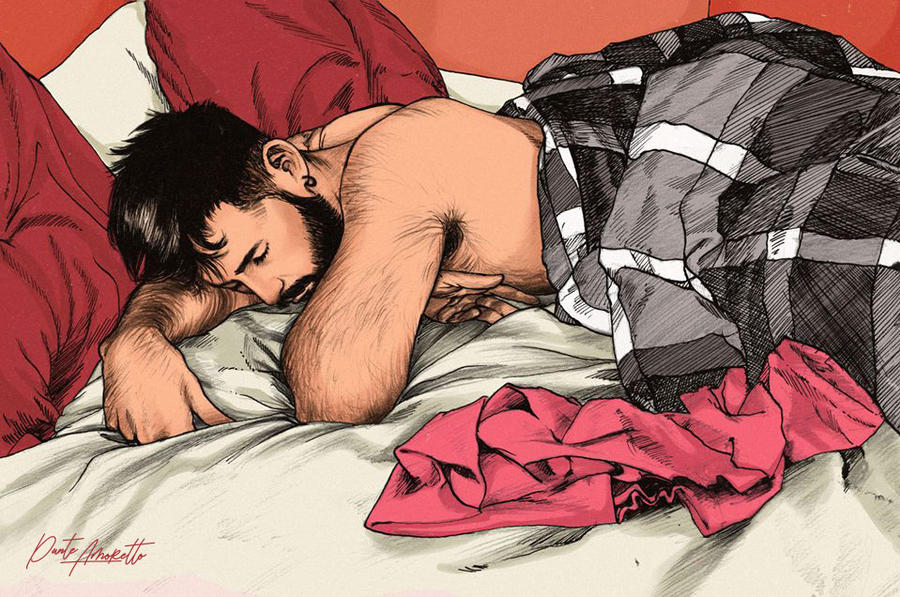
Somewhere between the razor-burned aughts and right now, the gay male grooming pendulum swung hard, and the body hair comeback among gay men arrived without so much as a press release. The smooth, hairless torso that ruled dating profiles and underwear billboards for two decades is no longer the only acceptable option. Chest hair, treasure trails, full beards, and the occasional gloriously fuzzy back are turning up in thirst traps, fashion editorials, and yes, the photos guys actually lead with on the apps. The fuzz is back, and it brought receipts.
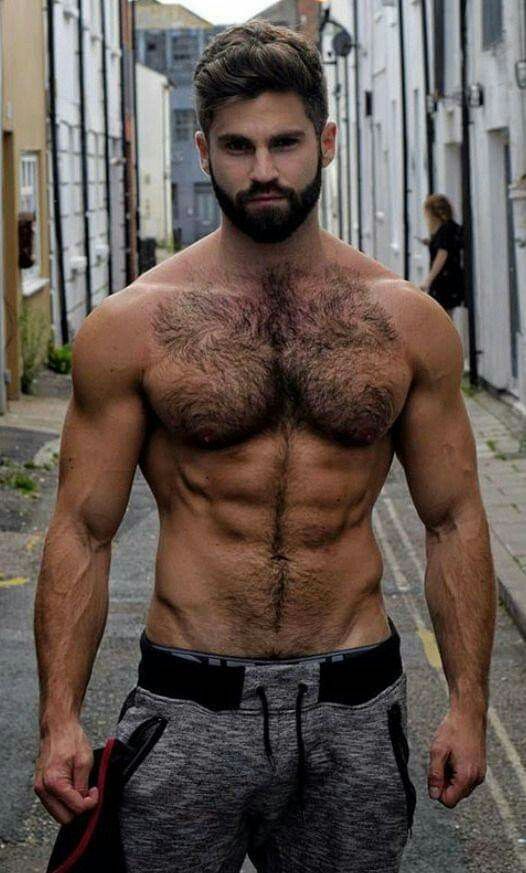
To understand why this feels like a comeback rather than a debut, you have to remember that body hair was never neutral in gay culture. It has been coded, policed, fetishized, and erased in roughly equal measure, and which way the trend pointed usually said more about the decade than about anyone’s actual follicles. So before we crown the current scruff renaissance, let’s rewind the tape.
The 1970s were a high-water mark for unbothered, undeniably hairy masculinity. Straight icons like Burt Reynolds and Tom Selleck wore their chest hair like a medal, and gay culture went further still. The “Castro clone” look that defined post-Stonewall San Francisco and New York leaned into mustaches, denim, flannel, and an emphatically natural torso. Body hair wasn’t tolerated; it was a uniform, a signal of adult masculinity in a community that was busy redefining what masculinity could even mean.
Then the picture darkened. The 1980s and the AIDS crisis reshaped the entire visual language of gay desire. As the community absorbed devastating loss, a leaner, smoother, conspicuously youthful look gained ground, in part because it read as healthy and vital at a moment when those things were under siege. That aesthetic hardened through the 1990s and crested with the early-2000s “metrosexual,” a man who waxed, exfoliated, and treated a stray chest hair like a clerical error. For a solid stretch, smooth was simply the assumption.
While the mainstream chased smoothness, a counter-movement was quietly building a clubhouse. The Bear community, which coalesced in San Francisco in the 1980s, celebrated bigger, hairier, older-skewing men and treated body hair as a badge rather than a blemish. According to the broader Bear subculture, the appeal was never only physical; it was a pointed rejection of the idea that desirability required being twenty-two, gym-lean, and hairless.
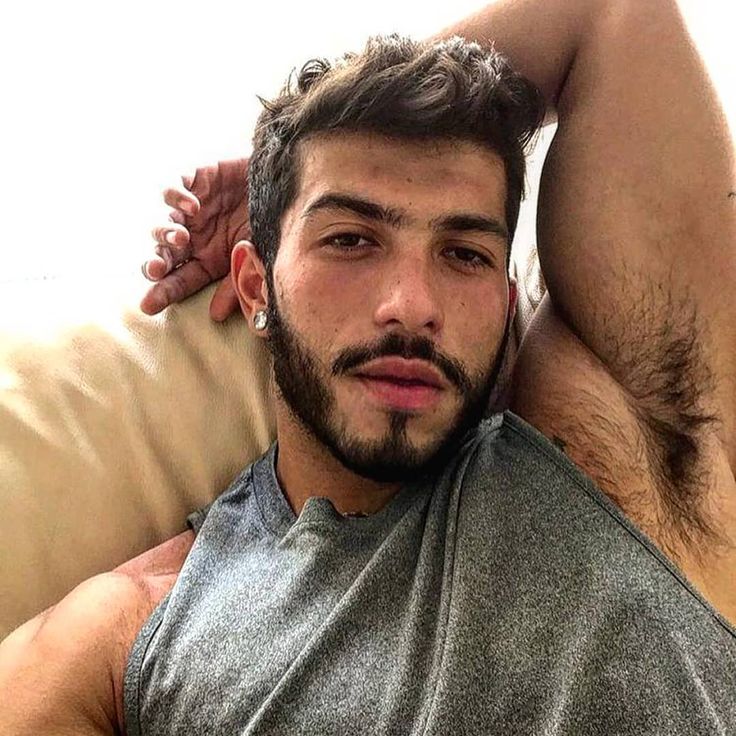
That matters to the present moment because the Bears kept the flame lit during the lean, smooth years. The current body hair comeback among gay men isn’t inventing anything new so much as it’s letting a long-running subculture finally walk through the front door. What used to be a niche identity is now just one of many widely accepted looks, and a surprisingly influential one.
Trends rarely have a single cause, and this one is a genuine pile-up of culture, technology, and exhaustion with maintenance. A few forces are doing most of the lifting:
You can see the shift in who gets called handsome now. Pedro Pascal, who tends to look more lived-in than laminated, has become a kind of patron saint of relaxed, slightly rugged masculinity. Social platforms cheerfully circulate “hairy thirst traps” to enthusiastic reception, and plenty of queer creators have built sizable followings not in spite of their body hair but because of it. The cultural memo has clearly gone out, and for once it isn’t telling everyone to shave.
The dating-app evidence is hard to ignore. Scruff, launched in 2010 specifically to make room for scruffier, hairier, more masculine-presenting guys, turned body hair into a feature rather than a confession. On Scruff, Growlr, and even the more general apps, fuzz now shows up proudly in profile photos and bios instead of being cropped out of frame. It’s a small thing that signals a big one: the look people once apologized for is now a lead image.
There’s also renewed, frank appreciation for features that used to live under a permanent layer of shame. Armpits are a tidy example, gone from “discreetly shave before the beach” to a legitimate point of attraction. Without wandering too far into fetish territory, it’s fair to say that musk, fur, and a more primal register of masculinity have found genuine space in the queer imagination, and the conversation around them is a lot less squeamish than it was twenty years ago.
Here’s the part the trend pieces sometimes miss: the body hair comeback isn’t a mandate to throw out the trimmer and go feral. It’s about choice replacing decree. The interesting move in modern grooming is styling rather than scorched earth. Think of it less as a binary and more as a spectrum, where the goal is intention, not conformity.
If you’re figuring out where you land, a few honest options:
For context on how deep these visual codes run, the New Yorker’s look at the secrets of physique magazines is a sharp reminder that gay men have been carefully curating images of the male body for the better part of a century. Pride’s own rundown, “From Scruff To Buff: A Timeline of Body Hair Among Gay Men,” traces the same back-and-forth we just walked through. The throughline is consistent: the standard keeps changing, which is the best argument for not taking any single version of it too seriously.
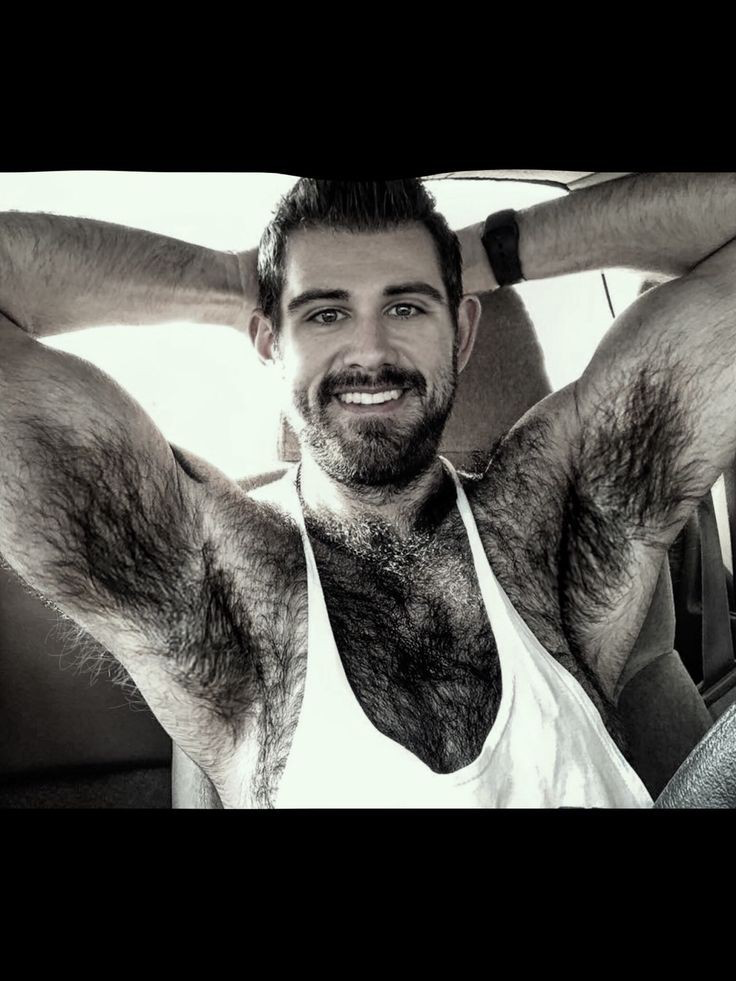
The return of body hair among gay men is bigger than a grooming fad. It’s a small, fuzzy referendum on a community deciding that desirability comes in more than one finish. After decades of being told that attractive meant hairless, young, and gym-buffed to a shine, a lot of guys are opting out of the assignment entirely, and the culture is rewarding them for it.
So whether you’re letting the chest come in, shaping a beard you’re weirdly proud of, or staying smooth on principle, the trend’s actual lesson has nothing to do with hair. The most attractive thing in the room has always been a guy who looks comfortable in his own skin, fur and all. Everything else is just maintenance.
Yes, at least culturally. After two decades dominated by the smooth, hairless ideal of the metrosexual era, natural body hair has regained visibility across dating profiles, social media thirst traps, and fashion imagery. It’s less a total reversal than an expansion of what counts as attractive, with hairy, trimmed, and smooth all sharing the spotlight.
A mix of forces: fatigue with overly filtered, hairless perfection; the 2010s beard boom retraining people to find face and body hair appealing; dating apps that made space for scruffier guys; and a grooming culture that increasingly treats body hair as something to style rather than erase. The long-running Bear community kept the look alive until the mainstream caught up.
Not at all. The whole point of the current moment is choice, not a new rule. Plenty of guys go fully natural, plenty trim to define and tidy, and plenty stay smooth because that’s genuinely their preference. The only outdated move is changing yourself to chase a standard you don’t actually care about.
The Bear subculture, which formed in San Francisco in the 1980s, celebrated larger, hairier, often older men and treated body hair as a point of pride throughout the years when smooth dominated. It preserved an entire aesthetic and an inclusive idea of masculinity, and much of today’s comeback is essentially that subculture’s values going mainstream.
The popular middle path is shaping rather than removing. A trimmer with a guard lets you even out coverage, define the chest, and clean up the neckline without going bare. Keep things washed and, for beards, conditioned. The current style favors looking intentional and well-kept, not hairless.
Keep reading: why queer art has always been louder than permission.
Same-sex marriage worldwide in 2026: nearly 40 countries say yes, dozens still criminalize. See where it’s legal, what’s new, and what’s contested.

Situationships, soft launching, breadcrumbing, the talking stage: a witty, accurate guide to modern dating terms through a queer lens. Decode it here.
What is the camp aesthetic, really? A culture explainer on Sontag, drag culture, and queer humor — and why being unserious is serious business. Read on.